


Share This Article
Ginger ale is the can people reach for when their stomach is off, and that habit came from childhood rather than from the ingredient list. It is a soft drink before it is anything else. A regular 12 fl oz can carries about 33 grams of sugar, and whatever ginger is in there falls under 2% of the recipe, which makes it a flavoring rather than a dose. So if you are asking is ginger ale good for you, the answer is no, not in the way the sick-day ritual suggests, though it is caffeine-free and fine as an occasional drink.
Ginger itself is the part with research behind it, and you get far more of it from fresh root than from a can. This guide from Simple Health Blog covers what is in the can, which brands list real ginger, and what to pour instead.
Quick answer: No, not really. Most ginger ale is a sweetened soda with about 33 g of sugar per 12 fl oz can and little real ginger. It is caffeine-free and fine now and then, but ginger tea or fresh root gives you the actual benefits without the sugar.
Nothing here replaces advice from someone who knows your medical history; the full disclaimer explains what that means.
Is Ginger Ale Good for You? The Short Answer
For most people, ginger ale is a treat rather than a health drink. Three things decide that, and none of them is dramatic.
The first is sugar: USDA’s reference entry puts a 12 fl oz can at 124 calories and 32.6 grams of total sugars, most of a day’s added sugar in one drink. The second is the ginger, which is there in amounts far below what the research has tested. The third is the fizz, which can make a bloated stomach feel worse.
None of that makes a can harmful. Count it as a sweet drink rather than a remedy, and the trouble only starts when it replaces water on a sick day.
What’s in a Can of Ginger Ale?
Carbonated water and sugar, mostly. A standard US ginger ale lists carbonated water first, then high fructose corn syrup, then citric acid, sodium benzoate, caramel color and some flavoring. There is no fruit or juice in it, and no caffeine.
At the same serving size, the four drinks people choose between look like this.
| Drink (12 fl oz) | Calories | Sugar | Caffeine | Real ginger |
|---|---|---|---|---|
| Regular ginger ale | 124 | 32.6 g | 0 mg | Little, if any |
| Zero sugar ginger ale | 0 | 0 g | None listed | Little, if any |
| Ginger beer | about 160 | about 38 g | 0 mg | Yes, brewed |
| Fresh ginger tea | about 4 | 0 g | None | Yes |
Ginger ale figures are the USDA FoodData Central entry for carbonated ginger ale; the tea row uses its entry for brewed herb tea other than chamomile; ginger beer is the Bundaberg label on the same database, converted from its 375 ml serving; zero sugar figures come from the Canada Dry label. All checked November 2026.
Ginger beer is the row that surprises people. It is brewed with real ginger root and tastes stronger, which reads as healthier, yet it is the sweetest drink here.
Does Ginger Ale Have Real Ginger?
Some brands yes, some brands no, and the ingredient list is the only way to tell. The three biggest US ginger ales do not agree with each other.
- Canada Dry: Carbonated water, high fructose corn syrup and less than 2% of ginger extract, natural flavors, citric acid, sodium benzoate and caramel color.
- Seagram’s: Also names it, as “ginger extract with other natural flavors”.
- Schweppes: Its label on USDA FoodData Central reads carbonated water, high fructose corn syrup, citric acid, sodium benzoate, caramel color and natural flavors, with no ginger named.
So the blanket claim that ginger ale has no ginger is too strong. An extract listed inside the final 2% of a recipe is there for taste, not effect. People comparing brands on Reddit’s r/NoStupidQuestions reach the same conclusion: read the ingredient order and the sugar line, ignore the artwork. The same label-first check settles whether mustard is good for you, where the sodium line tells you more than the health claims on the front.
Is Ginger Ale Good for Your Stomach?
Probably not much, and the reason is the dose rather than the plant. The National Center for Complementary and Integrative Health, reviewing the evidence in February 2025, says ginger “may be helpful for nausea and vomiting associated with pregnancy”, while most motion sickness studies “haven’t shown it to be helpful”. Most of those studies tested supplements rather than foods, and a capsule carries far more ginger than a soda’s flavoring does.
Carbonation is the other half of the problem. Family medicine physician Matthew Goldman, MD, told Cleveland Clinic in October 2023 that “if a person has bloating, gas or indigestion, the carbonation and sugar may make it worse”.
Plenty of households already work around that. In r/foodquestions threads, the instruction people remember from childhood is to let the can go flat first, by leaving it open for a few hours or pouring it between two cups, then sipping it at room temperature. If the feeling is overfull rather than queasy, a slow ten minute stroll is gentler, and the evidence on whether walking helps digestion is more encouraging than the evidence on soda.
Why Do Hospitals Give Out Ginger Ale?
Because it counts as a clear liquid, not because it treats anything. MedlinePlus lists “clear sodas, such as ginger ale and Sprite” among the drinks allowed on a clear liquid diet, used before a procedure, after stomach surgery and when someone is throwing up. It is see-through, caffeine-free, and supplies fluid and a little sugar when nobody can face food. A nurse on Reddit’s r/IsItBullshit put it plainly: they hand it out after surgery because it is easy on the digestive system.
Is Ginger Ale Good for You When You’re Sick?
It is fine for sipping fluids and poor at replacing what you have lost. Vomiting and diarrhea strip out sodium and potassium, and a can carries little of either while delivering a large sugar dose that can loosen stools further.
Water and broth do the basic job better. For sick children, Cleveland Clinic points to oral rehydration solutions such as Pedialyte, formulated with lower sugar and higher electrolytes. On r/NoStupidQuestions, people asking what to drink with food poisoning give the same advice, adding that the fizz should be gone first.
If vomiting or diarrhea lasts more than two days, talk to your doctor rather than working through another bottle.
Is Zero Sugar or Diet Ginger Ale Good for You?
It solves the sugar problem and leaves the rest unchanged. Canada Dry Zero Sugar lists 0 calories and 0 grams of sugar per 12 fl oz, sweetened with aspartame and acesulfame potassium, with ginger extract still only a flavoring.
The FDA has approved both sweeteners as food additives and calls the ones it has authorized “safe for the general population under certain conditions of use”. The one group it singles out is people with phenylketonuria, a rare genetic disorder, who should avoid or restrict aspartame; US labels carry a phenylalanine warning for that reason.
For anyone watching sugar or managing diabetes, a zero sugar version is a reasonable swap, though it gives you no more ginger than the original.
Is Ginger Ale the Healthiest Soda?
It is among the lighter ones, which is not the same as healthy. At the same serving, USDA’s reference entries put ginger ale at 124 calories, 32.6 g of sugar and no caffeine, against 155 calories, 36.8 g of sugar and 33 mg of caffeine for regular cola.
Roughly 30 fewer calories, four fewer grams of sugar and nothing to keep you awake at night. Useful when choosing between two cans at a gas station, not a reason to start drinking one.
Is Drinking Ginger Ale Every Day Good for You?
A daily can puts you over the added sugar limit on its own. The American Heart Association recommends keeping added sugars to no more than 6% of daily calories, which works out at “no more than 100 calories per day, or about 6 teaspoons” for most women and no more than 150 calories, or about 9 teaspoons, for men. That guidance was last reviewed in August 2024.
One 12 fl oz can is roughly 8 teaspoons of sugar, clearing the whole day’s allowance for women before anything else is eaten and most of it for men. That leaves no room for the sugar already in bread, sauces and coffee.
A few cans a month is easier than balancing a daily one against everything else you eat.
Healthier Alternatives to Ginger Ale
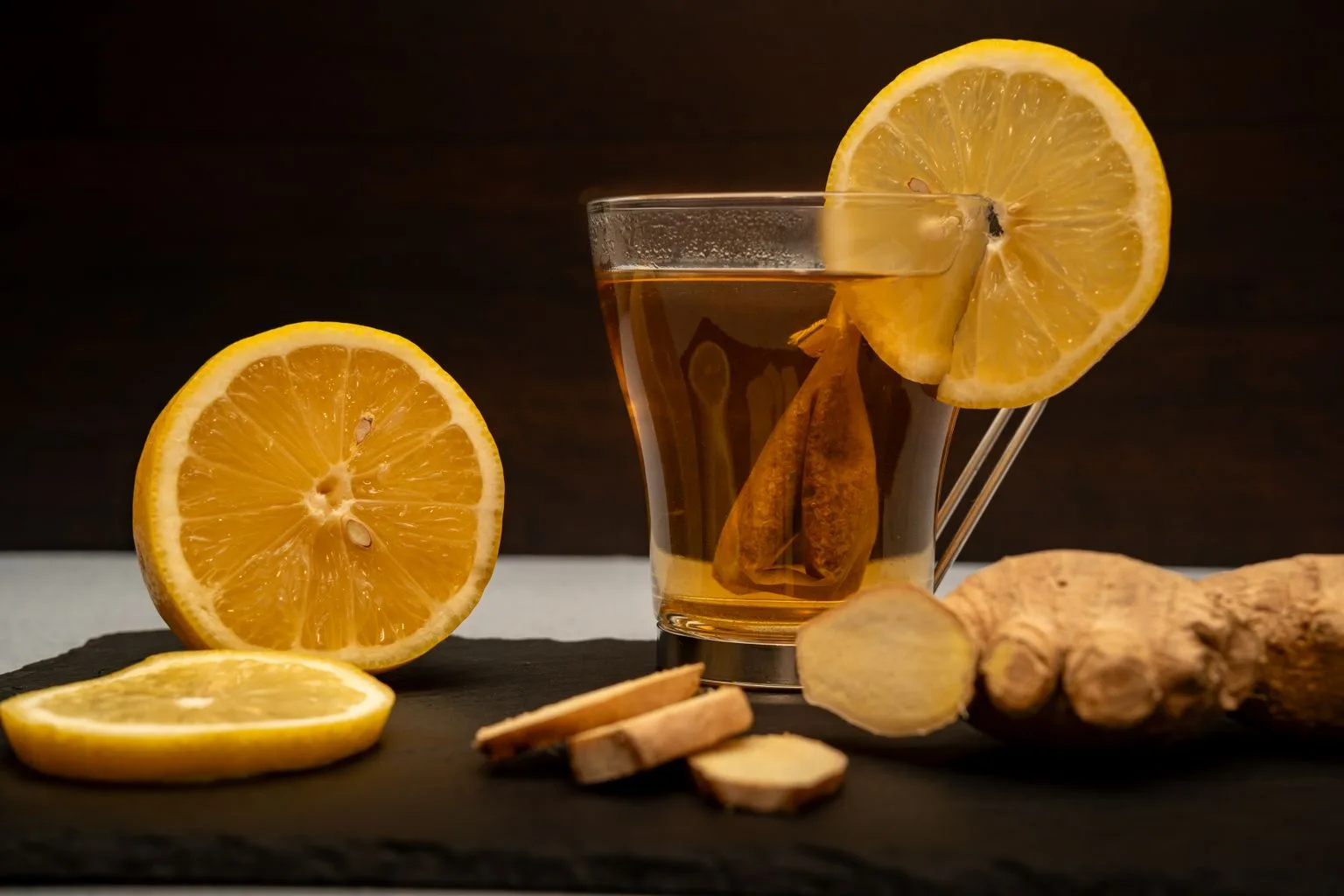
If what you want is the ginger, make tea. Fresh root costs little, keeps for weeks, and has no added sugar.
Ginger tea in three steps:
- Peel and slice: Take a piece of fresh ginger about the size of your thumb and cut it into thin coins.
- Steep: Pour just-boiled water over it and leave it 5 to 10 minutes, longer for a stronger taste.
- Finish: Add lemon, or a small spoon of honey if you want it sweet, and sip it warm.
Sparkling water with grated ginger and lemon keeps the fizz without the sugar, which suits anyone who misses the can rather than the ginger. If you are swapping an evening soda for a warm drink, ginger tea is the one that works late, because matcha has caffeine and ginger tea has none.
Low-sugar ginger drinks work too. Check the label for ginger named near the front.
Who Should Be Careful With Ginger Ale?
Four groups should take more care than the average drinker.
- Diabetes: A full can of sugar in liquid form raises blood glucose quickly. A zero sugar version or sparkling water is the safer everyday choice.
- Acid reflux or a sensitive gut: Carbonation can bring on bloating and gas, which is why it can backfire on a bad stomach day.
- Anyone taking medication: NCCIH advises talking to your health care provider before using ginger or other herbal products, because some herbs and medicines interact in harmful ways.
- Children: A can is a large sugar dose for a small body, and water is the better default.
If you are pregnant, managing a condition or on regular medication, talk to your doctor before leaning on ginger in any form.
Frequently Asked Questions
How Healthy Is Canada Dry Ginger Ale?
It is a regular soda. The label gives 140 calories and 33 grams of sugar per 12 fl oz can, with high fructose corn syrup as the sweetener and ginger extract in the final 2%. Caffeine-free, which is its one clear advantage over cola, and fine occasionally.
Is Schweppes Ginger Ale Good for Your Stomach?
Not especially. The Schweppes label on USDA FoodData Central lists natural flavors with no ginger named, so sipping it may feel soothing without delivering anything active. The research supporting ginger for nausea used supplements.
Is Seagram’s Ginger Ale Good for You?
The same answer as other regular ginger ales. Seagram’s lists 130 calories and 33 grams of added sugar per 12 fl oz, is caffeine-free, and does name ginger extract with other natural flavors. The extract is a flavoring, so treat it as a soft drink.
Is Canada Dry Good for Your Stomach?
Fluids help when you are unwell, and a familiar taste makes sipping easier. The soda itself is not a stomach remedy, though, and the carbonation can add bloating. Letting it go flat first removes that part.
Is Ginger Good for You?
NCCIH’s 2025 review says real ginger may help with nausea and vomiting in pregnancy, mostly in studies that used dietary supplements, while most motion sickness studies found no benefit. That is ginger root, not ginger ale, and the difference is dose.
Is Zero Sugar Ginger Ale Good for You?
It has less sugar and fewer calories, so it is a better occasional pick for anyone watching either. Canada Dry Zero Sugar lists 0 grams of sugar per can, sweetened with aspartame and acesulfame potassium. It is still a soft drink.
So, Is Ginger Ale Good for You?
Treat it as a soda you happen to like, because that is what it is, and keep it to the occasional can rather than the daily one. When your stomach is genuinely off, a mug of fresh ginger tea does more than a can ever will, and costs less.
