

Share This Article
If you want to know how to get more deep sleep, start with the basics your body already responds to: wake up at the same time every day, get daylight early, move your body, keep caffeine to the morning, and sleep in a cool, dark room. Deep sleep is the stage that leaves you feeling physically restored, and it is driven largely by two things you can influence: how much “sleep pressure” you build during the day and how steady your body clock is. There is no supplement or gadget that reliably forces more of it, but a handful of everyday habits, backed by sleep research, can give your body the best shot at getting the deep sleep it needs. Below are 10 of them, plus what the research actually says about each one.
What Is Deep Sleep and Why Does It Matter?
Deep sleep, also called slow-wave sleep or stage N3, is the deepest phase of non-REM sleep. During it, your brain produces slow, high-amplitude delta waves, your heart rate and breathing drop to their lowest levels of the night, and your muscles fully relax. It is also the stage where you are hardest to wake. If someone has ever shaken you awake and you felt groggy and confused for a few minutes, there is a good chance you were pulled out of deep sleep.
Here is what is going on in your body during this stage:
- Brain waves slow down into long, rolling delta waves.
- Heart rate and breathing fall to their lowest point of the night.
- Muscles relax fully, and you become hard to wake.
- Recovery work happens, which researchers link to physical repair, immune function, and memory.
According to the National Institute of Neurological Disorders and Stroke, stage 3 sleep shows up in longer stretches during the first half of the night, and it is the sleep you need to feel refreshed in the morning. Researchers link it to physical recovery, immune function, and the consolidation of memories. You can read a solid overview of the science on Wikipedia’s slow-wave sleep page.
The practical takeaway: deep sleep is front-loaded. Most of it happens in your first few sleep cycles, which is why a broken or late start to the night can cost you more of it than you might expect.
How Much Deep Sleep Do You Need?
There is no single magic number, but for healthy adults deep sleep usually makes up somewhere around 10% to 25% of the night, depending on the source and the person. The CDC recommends that adults get 7 or more hours of sleep a night, and on a 7 to 8 hour night that works out to roughly 45 minutes to 2 hours of deep sleep.
Age matters a lot here. A large 2004 meta-analysis in the journal Sleep that pooled sleep data from childhood to old age found that the share of slow-wave sleep falls steadily as people get older. So if you are 50 and your sleep tracker shows less deep sleep than it did at 25, that is normal and not automatically a problem.
A better question than “Am I hitting a number?” is “Do I wake up feeling reasonably rested, and can I get through the day without fighting to stay awake?” If the answer is yes, your deep sleep is probably fine.
How to Get More Deep Sleep: 10 Natural Tips
These tips on how to get more deep sleep are listed roughly in order of how much difference they tend to make for most people. Start with one or two, give them two or three weeks, and build from there.
1. Wake Up at the Same Time Every Day
If you are wondering how to get more deep sleep without changing your whole life, start here. A fixed wake time anchors your circadian rhythm, the internal clock that tells your body when to release sleep and alertness hormones. Cleveland Clinic sleep specialists suggest focusing on a consistent wake-up time first, because a regular bedtime tends to follow on its own once your mornings are steady.
Weekends are where most people slip. Sleeping in by two or three hours on Saturday and Sunday works a lot like flying across a couple of time zones, and it can leave you lying awake on Sunday night. Try to keep weekend wake times within about an hour of your weekday alarm.
2. Get Bright Light Early in the Day
Morning daylight is one of the strongest signals your body clock receives. Getting outside within an hour or so of waking, even on a cloudy day, helps set your rhythm so that you feel sleepy at the right time later.
The flip side matters too. Bright overhead lights and screens late at night push your clock later. Dimming the lights in your home for the last hour or two before bed is an easy, free way to help your body wind down on schedule.
3. Exercise Most Days, but Time Hard Workouts Well
Regular physical activity is one of the better studied ways to improve sleep. A 2015 meta-analysis by Kredlow and colleagues found that both single workouts and regular exercise had small but real benefits for sleep, including a modest increase in slow-wave sleep.
Aim for the CDC’s physical activity guideline of 150 minutes of moderate activity a week plus at least two days of strength training. Gentle evening movement such as walking, stretching, or yoga is fine for most people. Very intense workouts right before bed can leave some people wired, so if you notice that, finish hard sessions a few hours before lights out.
4. Cut Off Caffeine Earlier Than You Think
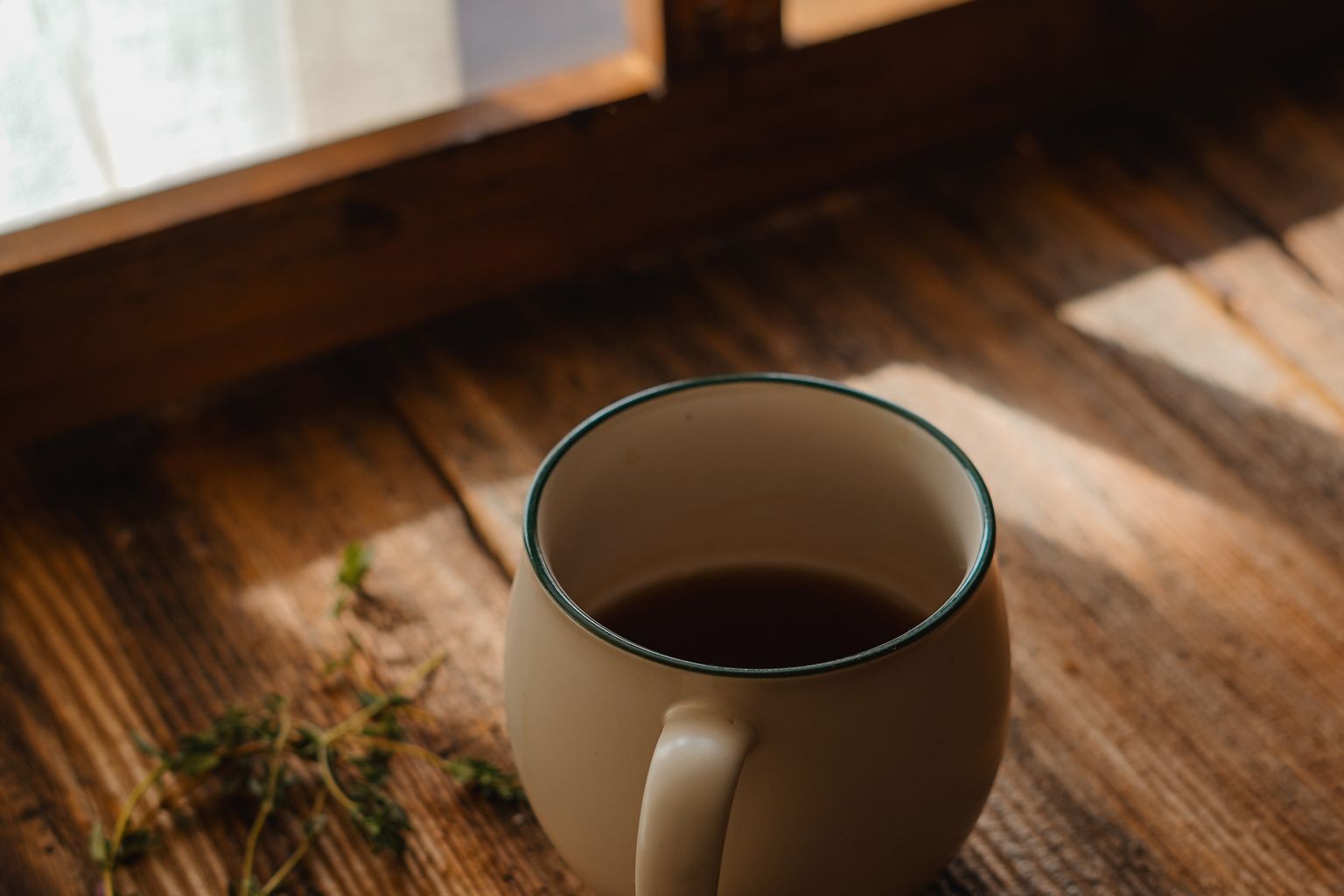
Caffeine works by blocking adenosine, the chemical that builds “sleep pressure” in your brain the longer you are awake. That same pressure is a big driver of deep sleep, so caffeine late in the day hits deep sleep directly.
The timing is longer than most people assume. In a study published in the Journal of Clinical Sleep Medicine, a large dose of caffeine taken six hours before bed still reduced total sleep by more than an hour, even though participants did not always notice the difference themselves. A simple rule is to have your last coffee, tea, energy drink, or pre-workout by early afternoon. Remember that chocolate and some sodas contain caffeine too.
5. Skip the Nightcap
This one surprises people, because alcohol does make you drowsy. A review of the research on alcohol and sleep found that drinking before bed can actually increase deep sleep in the first half of the night. The catch is what happens next. Alcohol delays and reduces REM sleep, and as your body processes it, the second half of the night tends to become lighter and more broken, with more awakenings.
In other words, a nightcap shuffles your sleep around rather than improving it, and most people wake up feeling worse for it. If you drink, doing so earlier in the evening and in smaller amounts gives your body time to clear it before bed.

6. Keep Your Bedroom Cool, Dark, and Quiet
Your core body temperature needs to drop for you to fall asleep and stay in deeper stages. Cleveland Clinic recommends a bedroom temperature of about 60 to 67°F (15 to 19°C). If that sounds cold, start at the warmer end and use lighter bedding rather than cranking up the heat.
A quick bedroom checklist:
- Temperature: about 60 to 67°F (15 to 19°C), with breathable bedding.
- Darkness: blackout curtains or a comfortable eye mask, and cover glowing chargers or clocks.
- Noise: earplugs, a fan, or a white noise machine to mask sudden sounds.
- Devices: phone on silent and out of arm’s reach.
- Bed for sleep: try to keep work, emails, and TV out of bed so your brain links it with rest.
A quick note on pink noise, which gets a lot of hype online. Studies such as this 2017 trial in older adults used carefully timed bursts of pink noise, synced to the sleeper’s brain waves with lab equipment, and saw better memory performance. That is very different from playing a pink noise track all night on a speaker. Steady background noise may still help you by masking disruptions, but it is not a proven deep sleep booster on its own.
7. Take a Warm Bath or Shower 1 to 2 Hours Before Bed
It sounds backwards given the advice above, but warming up in the evening helps you cool down later. Warm water draws blood to your hands and feet, which helps your body shed heat and lowers your core temperature afterwards.
A 2019 meta-analysis in Sleep Medicine Reviews found that a warm bath or shower at around 104 to 109°F (40 to 42.5°C) taken one to two hours before bed was linked to falling asleep faster and better self-rated sleep quality. Even a short session seemed to help. Keep the water comfortably warm rather than scalding, and skip this if you have a heart condition or blood pressure concerns without checking with your doctor first.
8. Keep Naps Short and Early
Remember sleep pressure from tip 4? A long nap releases a lot of it, which leaves less to drive deep sleep that night. If you nap, keep it to around 20 to 30 minutes and take it before mid-afternoon.
If you are struggling with deep sleep at night and you nap regularly, try cutting naps out for a couple of weeks and see whether your nights improve. For many people, the extra sleep pressure at bedtime makes a noticeable difference.
9. Eat for Better Sleep (and Not Too Late)
What you eat during the day seems to affect how you sleep at night. In a small controlled study led by Marie-Pierre St-Onge, eating more fiber was linked to more time in slow-wave sleep, while more saturated fat was linked to less of it and more sugar was linked to more nighttime awakenings.
That points toward a simple pattern:
- Eat more: vegetables, fruit, beans, lentils, oats, and other whole grains.
- Eat less: fatty fried foods and sugary snacks, especially late at night.
- Watch the timing: finish large meals two to three hours before bed so digestion and reflux are not keeping you up.
- Go easy on fluids late: a big drink right before bed can mean extra bathroom trips that break up your sleep.
10. Build a Wind-Down Routine That Lowers Stress
Stress is one of the most common reasons people sleep lightly. A racing mind keeps your nervous system in a more alert state, and that makes it harder to sink into deep sleep.
A short, repeatable routine helps tell your brain the day is over. Pick one or two of these and do them in the same order each night:
- Read a paper book for 10 to 15 minutes.
- Write tomorrow’s to-do list so it is out of your head.
- Try slow breathing, such as breathing out for longer than you breathe in.
- Do some light stretching or gentle yoga.
- Dim the lights and put your phone on charge outside the bedroom.
That last one matters more than it sounds, because a quick scroll rarely stays quick.
Quick Summary: 10 Ways to Increase Deep Sleep
| Tip | What to do | Why it helps |
|---|---|---|
| 1. Fixed wake time | Get up at the same time daily, within about an hour on weekends | Steadies your body clock |
| 2. Morning light | Go outside within an hour or so of waking; dim lights at night | Sets your sleep and wake timing |
| 3. Exercise | 150 minutes of moderate activity a week plus 2 strength days | Linked to a modest rise in deep sleep |
| 4. Caffeine cutoff | Last caffeine by early afternoon | Caffeine blocks the sleep pressure that drives deep sleep |
| 5. Skip the nightcap | Drink less, and earlier in the evening | Alcohol fragments the second half of the night |
| 6. Cool, dark room | About 60 to 67°F, blackout curtains, noise masking | Helps your core temperature drop and limits wake-ups |
| 7. Warm bath or shower | 1 to 2 hours before bed, around 104 to 109°F | Linked to falling asleep faster |
| 8. Short naps | 20 to 30 minutes, before mid-afternoon | Saves sleep pressure for the night |
| 9. Smarter eating | More fiber, less sugar and saturated fat, no big late meals | Fiber was linked to more deep sleep |
| 10. Wind-down routine | 10 to 15 minutes of calm, screen-free time | Lowers stress so you can sink into deep sleep |
Why Is My Deep Sleep So Low?
If you are already doing the basics and your deep sleep still seems low, a few common culprits are worth checking:
- Your tracker may be off. Consumer wearables estimate sleep stages from movement and heart rate. They are useful for spotting trends, but they are much less accurate at measuring deep sleep than a lab sleep study (polysomnography). Do not panic over one night’s number.
- Age. As covered above, deep sleep naturally declines over the decades.
- Irregular schedule. Shift work, late nights, and big weekend swings all chip away at deep sleep.
- Substances. Caffeine, alcohol, and nicotine all affect sleep architecture.
- Medications. Some medicines for pain, blood pressure, mood, and other conditions can affect sleep. Never stop or change a medication on your own; raise it with your doctor or pharmacist instead.
- An untreated sleep disorder. Conditions such as sleep apnea fragment sleep repeatedly through the night, which can keep you out of deeper stages.
When to Talk to a Doctor About Your Sleep
Learning how to get more deep sleep through lifestyle changes helps most people, but it is not a fix for everything. Speak with a healthcare professional if:
- You snore loudly, or someone notices you stop breathing or gasp during sleep.
- You regularly feel exhausted despite getting enough hours in bed.
- You have trouble falling or staying asleep most nights for several weeks.
- Sleepiness is affecting your driving, work, or mood.
A doctor can check for conditions like sleep apnea or insomnia and, if needed, refer you for a sleep study. For ongoing insomnia, a structured program called cognitive behavioral therapy for insomnia (CBT-I) is a widely recommended first-line approach.
Frequently Asked Questions
Is 40 minutes of deep sleep good?
It can be, depending on your age and how you feel. Forty minutes is on the lower end for a young adult but fairly common in middle-aged and older adults. If you wake up feeling rested and function well during the day, 40 minutes is not necessarily a concern. Keep in mind that wearable estimates of deep sleep can be off by a fair margin.
Why do I only get 30 minutes of deep sleep?
Common reasons include a short or irregular sleep schedule, late caffeine or alcohol, a warm or noisy bedroom, long daytime naps, stress, and natural changes with age. It is also possible your tracker is underestimating it. If low energy and daytime sleepiness come along with it, talk to a doctor to rule out a sleep disorder.
What are the best natural remedies for deep sleep?
The most reliable natural approaches are behavioral: a consistent wake time, morning light, regular exercise, cutting caffeine and alcohol earlier, a cool and dark bedroom, and a warm bath or shower one to two hours before bed. These are low-risk and supported by research.
Does melatonin increase deep sleep?
Melatonin mainly helps with the timing of sleep, such as adjusting to jet lag or shifting a late body clock, rather than increasing deep sleep. Evidence that it boosts slow-wave sleep is limited. Talk to a doctor or pharmacist before taking melatonin or any sleep supplement, especially if you take other medications.
How long does it take to get more deep sleep?
Some changes, such as cutting late caffeine or skipping alcohol, can show up within a few nights. Habits like a fixed wake time and regular exercise usually take two to four weeks to make a clear difference. Give each change a fair trial before deciding it does not work for you.
Can you catch up on deep sleep?
To a degree, yes. After a short night, your body tends to prioritize deep sleep the next time you sleep, a process called sleep rebound. That said, regularly running short and trying to catch up on weekends tends to disrupt your rhythm more than it helps.
Disclaimer: This article is for general information only and is not medical advice. It is not a substitute for professional diagnosis or treatment. Everyone’s health is different, so talk to a qualified healthcare professional before changing your sleep medications or starting any supplement, and see a doctor if sleep problems persist or affect your daily life.
Conclusion
Figuring out how to get more deep sleep naturally comes down to working with your body rather than against it. Build sleep pressure during the day with activity, daylight, and short or no naps. Protect it in the evening by cutting off caffeine early and going easy on alcohol. Then give yourself a cool, dark, quiet room and a routine that lets your mind slow down. None of these steps is dramatic on its own, but stacked together and kept up for a few weeks, they make the conditions for deep sleep much better.
Pick one or two tips to start with this week, see how you feel, and add more from there. For more practical guides on sleep, fitness, and everyday wellness, explore the rest of Simple Health Blog.

2 Comments